.png)
Rewilding Your Immune System

Part 1: Why Does Everyone Seem to Be Ill?

“Everyone is ill.”
I hear it everywhere. From friends, family, clients, colleagues. Different lives, different ages, same refrain. Another cold. Another virus. Another round of exhaustion that never quite lifts.
The dominant story tells us this is about particularly aggressive flu seasons or new viral strains circulating more widely. But that explanation is incomplete. It overlooks something more fundamental.
The issue is not simply that pathogens have changed. It is that many people are living with reduced physiological resilience. We are increasingly operating in states of low resilience across multiple systems: the microbiome, the nervous system, and as a result, immune function.
Changing Patterns of Resilience and Immunity
To understand why this is happening, we need to zoom out. In the 1970s, researchers began exploring what became known as the hygiene hypothesis. Broadly speaking, it proposed that reduced exposure to microbes, particularly early in life, was associated with higher rates of immune dysregulation, including allergies and autoimmune conditions. The implication was not that hygiene is harmful, but that over-sanitisation and reduced microbial diversity may have unintended consequences for immune development and regulation.
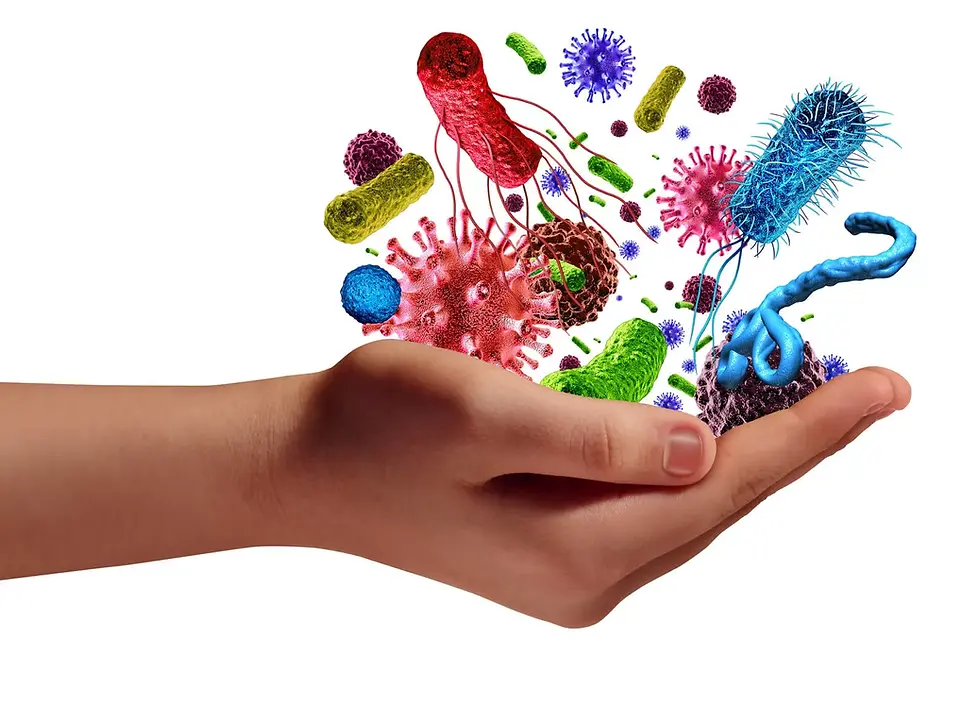
The human body is designed to coexist with vast ecosystems of microbes. These microbes live in and on us: in the gut, on the skin, in the lungs, mouth, nose, and eyes. Far from being passive passengers, they play active roles in immune education, metabolic regulation, and inflammatory control. In recent years, particularly since Covid, the use of antimicrobial products has increased significantly. Hand sanitisers, antibacterial sprays, nasal and oral products are now used routinely by many people. While hygiene is essential in specific contexts, especially in healthcare and acute illness, excessive or indiscriminate use of antimicrobial products can disrupt microbial balance.
Microbes inevitably recolonise environments quickly, but repeated disruption may reduce diversity and resilience over time. Internally, the microbiome is now recognised as a key modulator of immune behaviour throughout life. Reduced microbial diversity is associated with increased susceptibility to infections, heightened inflammatory responses, and a greater risk of immune-mediated conditions.
This does not mean microbes prevent illness outright. It means they help train the immune system to respond appropriately rather than excessively or inadequately.
How many times in your day are you unknowingly disrupting microbial balance? What cleaning products are you using on yourself and around your home, in your garden? There is so much we can do to encourage microbes rather than disrupt them to welcome them and actively seek them out. In doing so, we invite them to be part of our lives, both internally and externally, creating a mutually beneficial relationship.
Join us for Part 1 of our Immune Health workshop, where we will explore this topic in more detail, help shift your perception of microbes, and show how supporting microbial diversity can improve your health.
Thursday 19th February, 12–1pm book here: https://www.juliadaviesnutrition.com/event-details/rewilding-your-immune-system-part-one
(In Part 2, we will look beyond microbes to the wider forces shaping immune resilience: the nervous system, chronic stress, light exposure, modern living and what it truly takes to rebuild health).


Comments